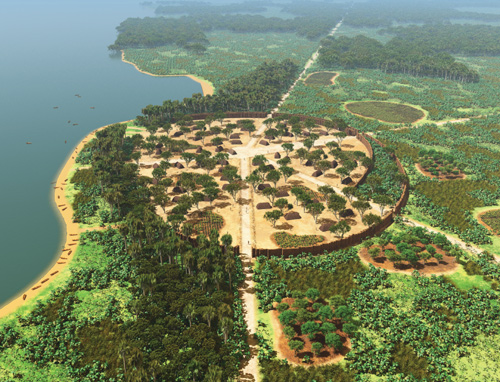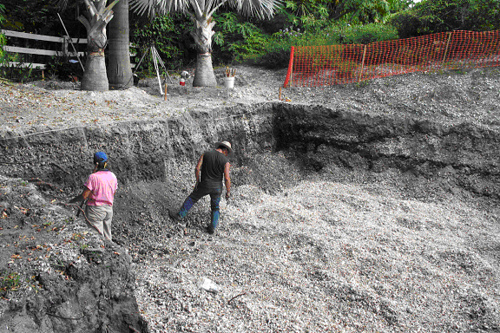
New excavations at Pineland site Mound 5
The Randell Research Center was offered an opportunity to examine Mound 5 of the Brown’s Mound Complex on property adjacent to the
Read More
The Randell Research Center was offered an opportunity to examine Mound 5 of the Brown’s Mound Complex on property adjacent to the
Read More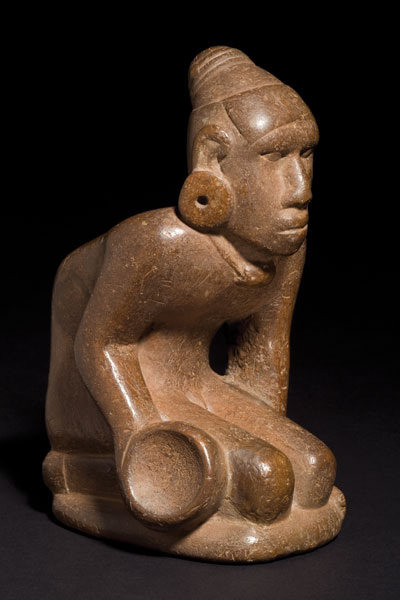
Chunkey was one of the most popular sports in pre-European America. It was a simple game consisting of a round stone being rolled down a specially-prepared plaza while a group of men threw spears to where they believed the stone would stop. The game dates back at least a thousand years and was still being played when the first Europeans arrived.
Read More
Mike Ruggeri’s Mississippian Moundbuilders Art Portfolio is an online exhibit showcasing the artistry of Native Americans living in the Midwest
Read More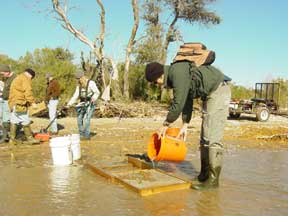
Greenwood Island on the western side of Bayou Casotte in Pascagoula has long been known for its Native American history.
Read More
The Shawnee are one of the most important Native American groups in North America due to their long standing and far flung trade networks. They had trading outposts throughout eastern North America from the Great Lakes to Florida. One site known as Shawnee Lookout in Ohio appears to have been continuously occupied by the Shawnee for over 2,000 years. It is also much larger than the original 1960 archaeological investigations revealed.
Read More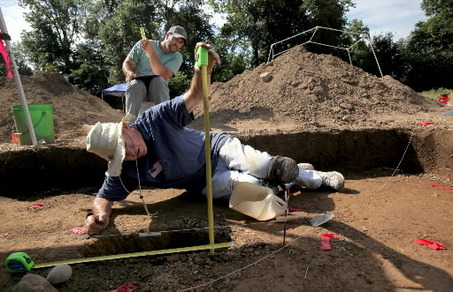
A huge archaeological site has been unearthed in Ohio dating to the Hopewell time period. From the news report: Five
Read More
The Nikwasi Mound in North Carolina was once the site of a historic Cherokee village. Read more about the latest
Read More
A new discovery unearthed at Angel Mounds near Evansville, Indiana is helping to reveal new secrets about this mysterious culture.
Read More
The Ohio Historical Society has a new online exhibit entitled Virtual First Ohioans which includes videos and photos of artifacts
Read More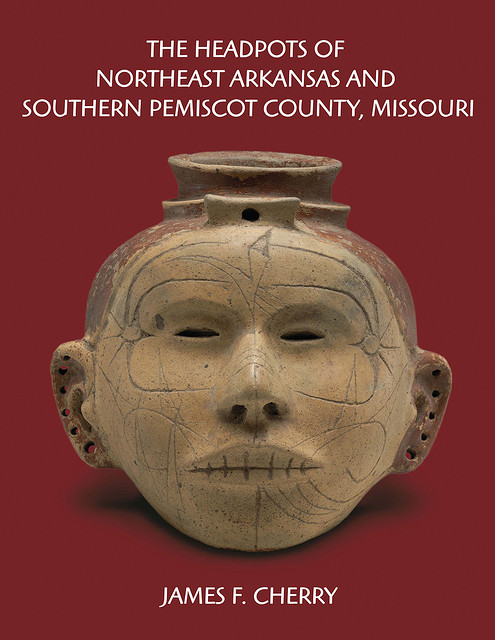
A new book has collected photographs of every known Native American head pot in existence. Head pots are a very
Read More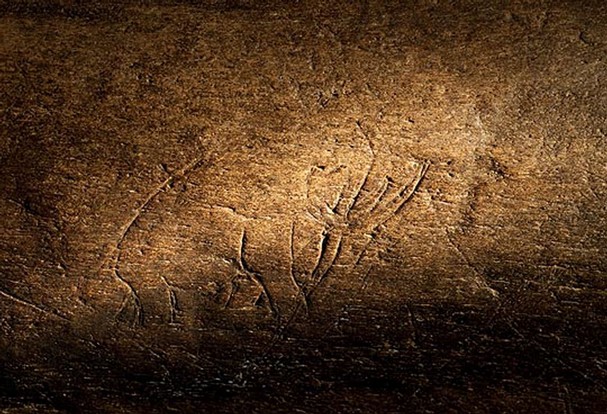
A 15-inch-long prehistoric bone fragment found near Vero Beach, Florida contains a crude engraving of a mammoth or mastodon on
Read More
Bill Green has supervised exploration of more than 250 potentially historic sites around the Southeast. And he knew the group
Read More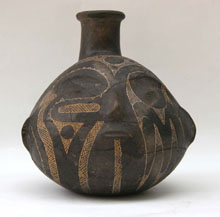
“We Walk in Two Worlds” at the Historic Arkansas Museum in Little Rock, Arkansas tells the story of Arkansas’s first people, the
Read More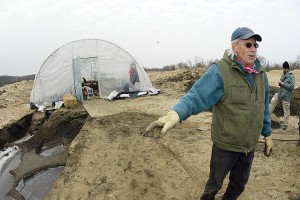
Some 1,700 years ago, the people who live in what is known officially as archaeological site “13LA582” west of Oakville,
Read More