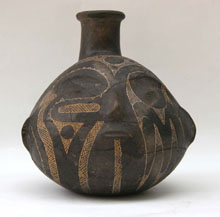
“We Walk in Two Worlds” reveals ancient civilizations of Arkansas
“We Walk in Two Worlds” at the Historic Arkansas Museum in Little Rock, Arkansas tells the story of Arkansas’s first people, the
Read More
The latest updates and discoveries in Native American archaeology including Hopewell, Mississippian, and more.
“We Walk in Two Worlds” at the Historic Arkansas Museum in Little Rock, Arkansas tells the story of Arkansas’s first people, the
Read More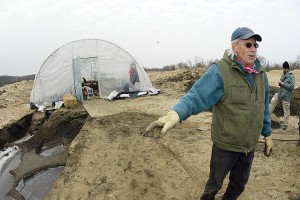
Some 1,700 years ago, the people who live in what is known officially as archaeological site “13LA582” west of Oakville,
Read More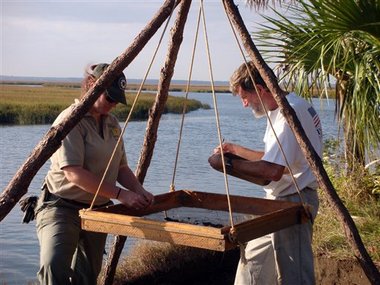
The recent excavation of a prehistoric American Indian burial site on Ossabaw Island revealed cremated remains, an unexpected find that
Read More
“ A lot of people don’t realize these amazing sites are basically in their backyard. They think you have to
Read More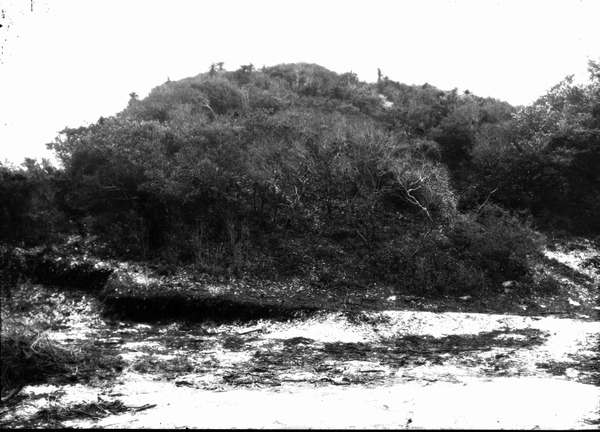
Turtle Mound in Florida which is a massive oyster-shell midden is being re-investigated. Archaeologists have found 1,200 year old pottery and other
Read More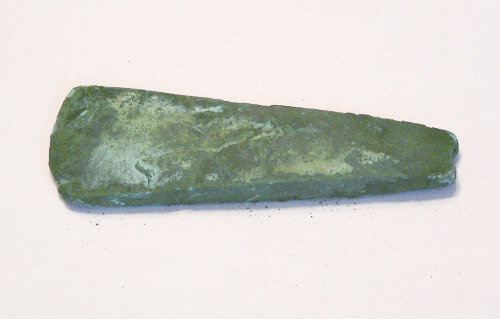
Ray Reser, director of the Central Wisconsin Archaeology Center at the University of Wisconsin-Stevens Point, described the object as a copper “celt,” a type of ax blade with no perforations or grooves. He said the celt was probably a functioning tool. The piece probably dates from 3,000 to 5,000 years ago.
Read MoreOhio’s Adena culture represents a turning point in state history. Situated between the nomadic hunting and gathering cultures of the
Read More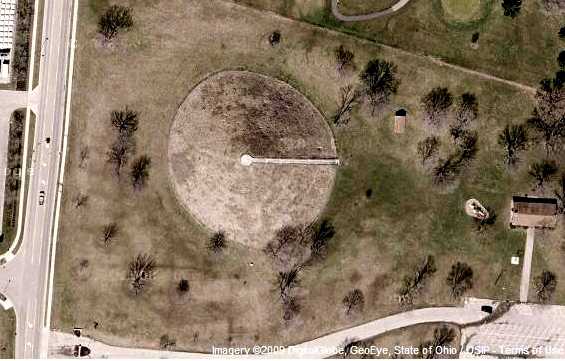
Ohio’s Adena culture represents a turning point in state history. Situated between the nomadic hunting and gathering cultures of the
Read More
During a remote-sensing survey of the Fort Ancient Earthworks in 2005,
Jarrod Burks of Ohio Valley Archaeological Consultants discovered a
circular pattern in the soil that stretched nearly 200 feet in diameter.
Fort Ancient is a massive earthwork in Warren County that was built morethan 2,000 years ago by the Hopewell culture.
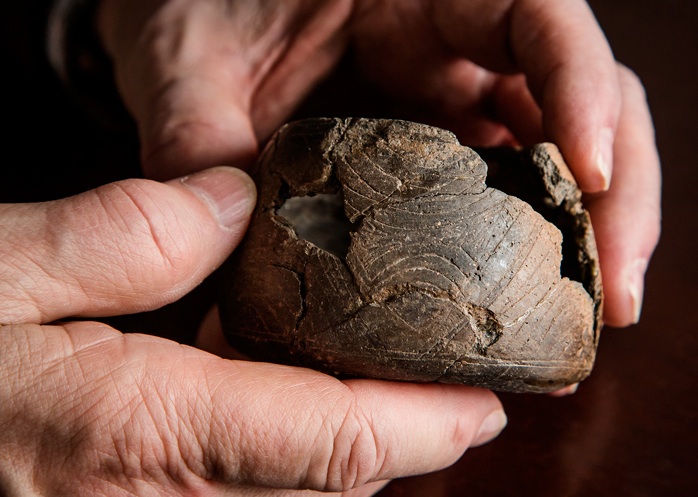
Traditional anthropologists have argued, based on no evidence other than their own beliefs, that the giant Native American metropolis of
Read More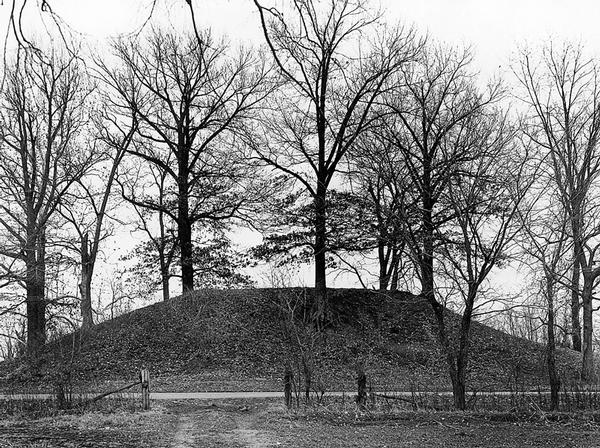
On one of many pinnacles along the bluffs lining the Missouri River
southwest of Columbia, atop the steep face of jagged rock plunging to
the landing, there is an inconspicuous 10-foot lump of earth. What
appears to be a natural point in the landscape ? insignificant in the
swath of hills and valleys ? is a burial mound, formed by human hands
thousands of years ago.
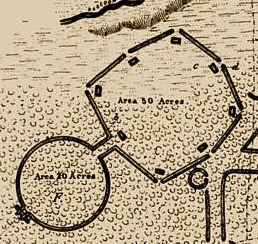
The Octagon Earthworks in Newark is one remnant of the Newark
Earthworks, recently listed by The Dispatch as one of the Seven Wonders
of Ohio. Earlham College professors Ray Hively and Robert Horn demonstrated in 1982 that the walls of this 2,000-yearold circle and octagon were aligned to the points on the horizon, marking the limits of the rising and setting of the moon during an 18.6-year cycle.
